
MI CASA ES SU CASA
Cuban Tourism Today
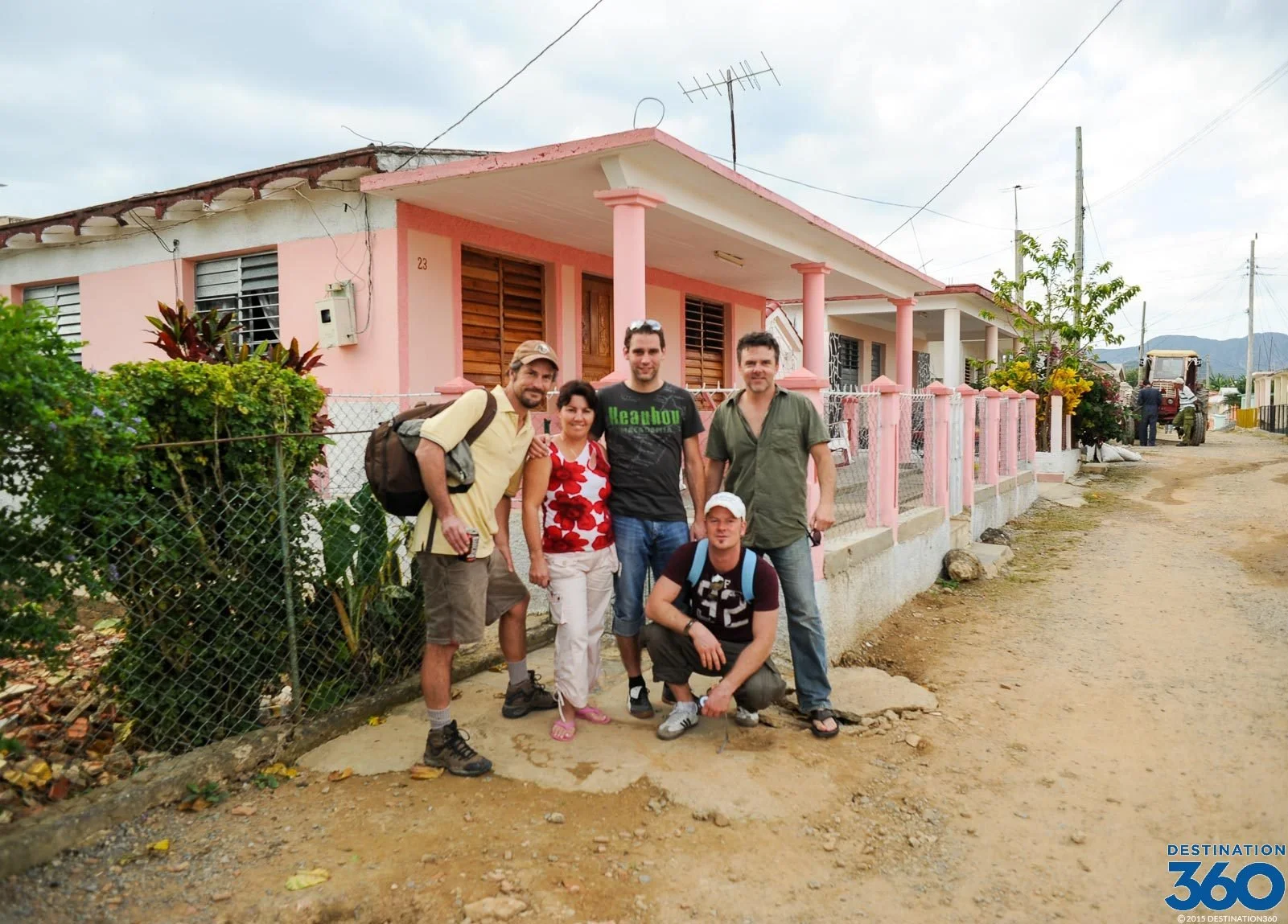
In Chapter 3 of ¡BIENVENIDOS BLANCOS! Reina hosts the American tourists in her home that she posted on Airbnb. The Cuban government started a “Casas Particulares” program in 1997 that allows Cubans to rent out parts of their homes to tourists as a way to generate income (and pay a tax to the government). Airbnb came to Cuba in 2016.
Destination360 Casa Particular homestay
The houses sometimes operate kind of like a bed and breakfast. They are reportedly often cleaner and more well kept than hotels. While these programs put money directly into the pockets of local people, it is important to note that they are also a source of economic disparity. Cubans who had the connections to start-up money necessary and houses large enough to host tourists are disproportionately white.
It’s no surprise, then, that there is a noticeable disparity between the rate at which white Cubans and Afro-Cubans have been able to establish businesses. According to a 2014 study of the island’s remittance recipients, approximately 81 percent of those who already owned a business were white.
The differences are especially stark in profitable tourist-serving ventures such as paladares (private restaurants) and casas particulares (bed-and-breakfasts). In Open for Business: Building the New Cuban Economy, author Richard E. Feinberg estimates that 80 percent of paladares “benefit from expatriate funding.” The Afro-Cuban community is less able to draw upon the resources of family members in the U.S. and elsewhere as a source of startup capital. – How a Changing Economy is Leaving Afro-Cubans Behind, Arthur Williams, 12/2016