
HERSHEY IN CUBA:
THE PENNSYLVANIA CONNECTION
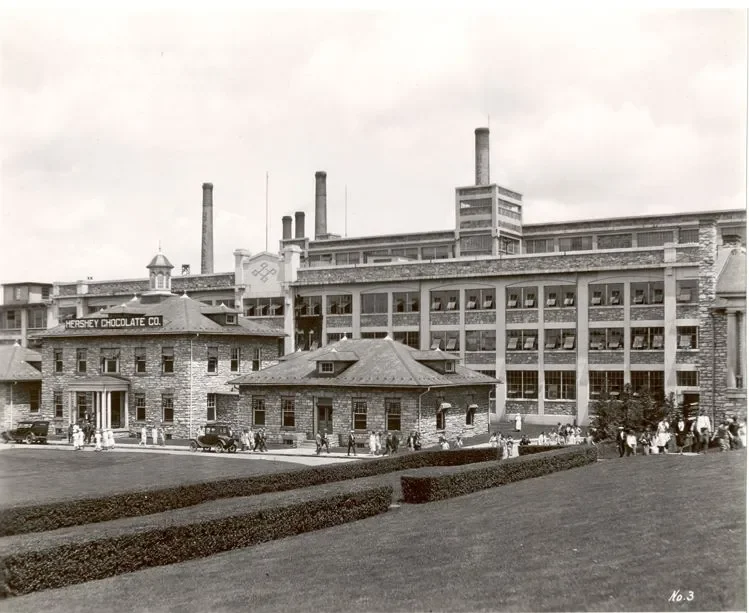
In the 1890’s, not long after Cuba gradually abolished slavery, a small chocolate company was taking root not far from Philadelphia. Milton S. Hershey believed in the importance of a loyal and complacent workforce, so he made sure the town he built would have affordable subsidized housing, good schools, healthcare, and recreation opportunities for his workers. The amusement park would come later, but rest assured, his workers were well cared for.
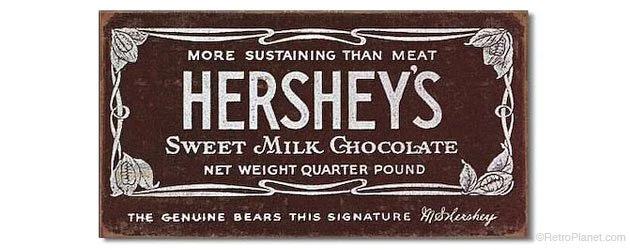
By the time WW1 was breaking out in Europe, Hershey had vertically integrated his chocolate making dream into an efficient operation that controlled almost all means of production and key support industries to keep his factories in Pennsylvania churning out sweets. However, the Great War threatened to disrupt Hershey’s sugar supply. And what is chocolate without sugar? Bitter water, that’s what.
And so, 10 years before Fidel Castro was born, would visit Cuba and decide to set up shop. Purchasing land 30 miles east of Havana, Hershey set about building a smaller version of, well, Hershey Pennsylvania. Except this version of HersheyLand could also grow SUGAR SUGAR SUGAR. Complete with sugar mills, a state-of-the-art electric railroad, school, housing, healthcare, a baseball team, and of course a dairy, the town had just what was needed to keep those workers happy. (do those goals sound familiar to anyone ?)
By 1946, Hershey’s business holdings in Cuba included sugar and molasses sold to Coca-Cola, peanut oil, and a variety of side projects. Perhaps seeing the writing on the wall for foreign companies in Cuba, the Hershey company sold its massive Cuban interests to an American sugar conglomerate, who quickly sold it to a Venezuelan business mogul, who quickly lost it all when the company became state-owned in 1959. Though it is still called Hershey Cuba, the town was officially renamed after Revolutionary leader Camilo Cienfuegos.
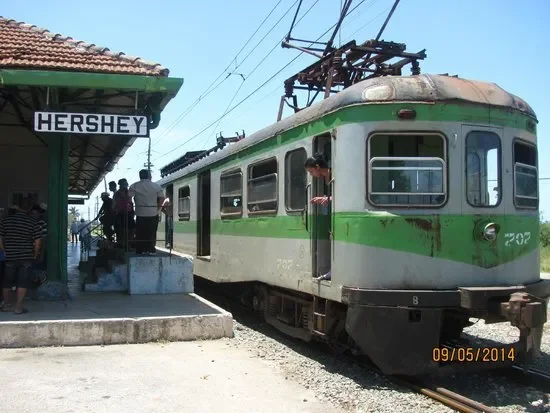
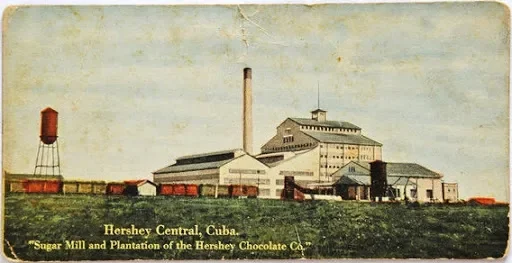
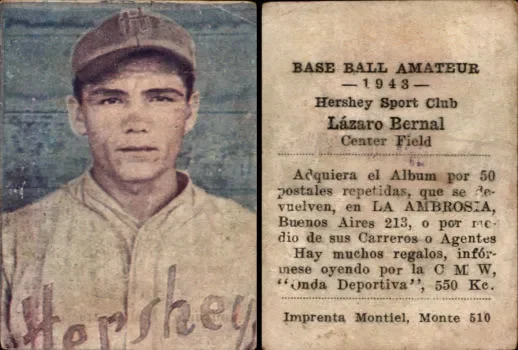
The train station still holds the name Hershey, but there’s not much left of the town. Remaining sugar operations closed in 2003 (after the collapse of the Soviet Union meant loss of the largest trade parter). The mill is currently repurposed for metalwork, though few residents remain in what is mostly a ghost town.
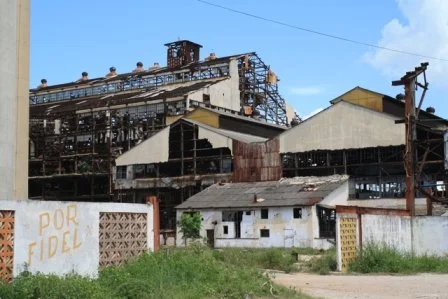
Hershey, Por Fidel, 2014
If this is completely enthralling, there’s an exhibit about in Hershey Pennsylvania’s museum or a forty minute video explanation with both historical footage and recent clips of restoration dreams.